Family names

Chinese last names, and why yours might be spelled five ways

Here is the single most striking fact about Chinese last names: there are not very many of them. China's Ministry of Public Security counts just over 6,000 surnames in use among 1.4 billion people, and the top five alone, Wang, Li, Zhang, Liu, and Chen, cover 30.8 percent of the country. Roughly one person in three answers to one of five names.

For comparison, the United States, with less than a quarter of the population, counted 162,253 different last names appearing a hundred times or more in its 2010 census. A Chinese phone book is not a book of names; it is a book of five names with footnotes.

And yet the same short list of names arrives in the West wearing dozens of spellings. Chen, Chan, Tan, Chin, and Trần are one surname. Lee and Li are one surname. Two entirely different names both landed as Wong. This page covers the names themselves, what they mean, why the family name comes first, and why your copy of one may not look "Chinese" at all.

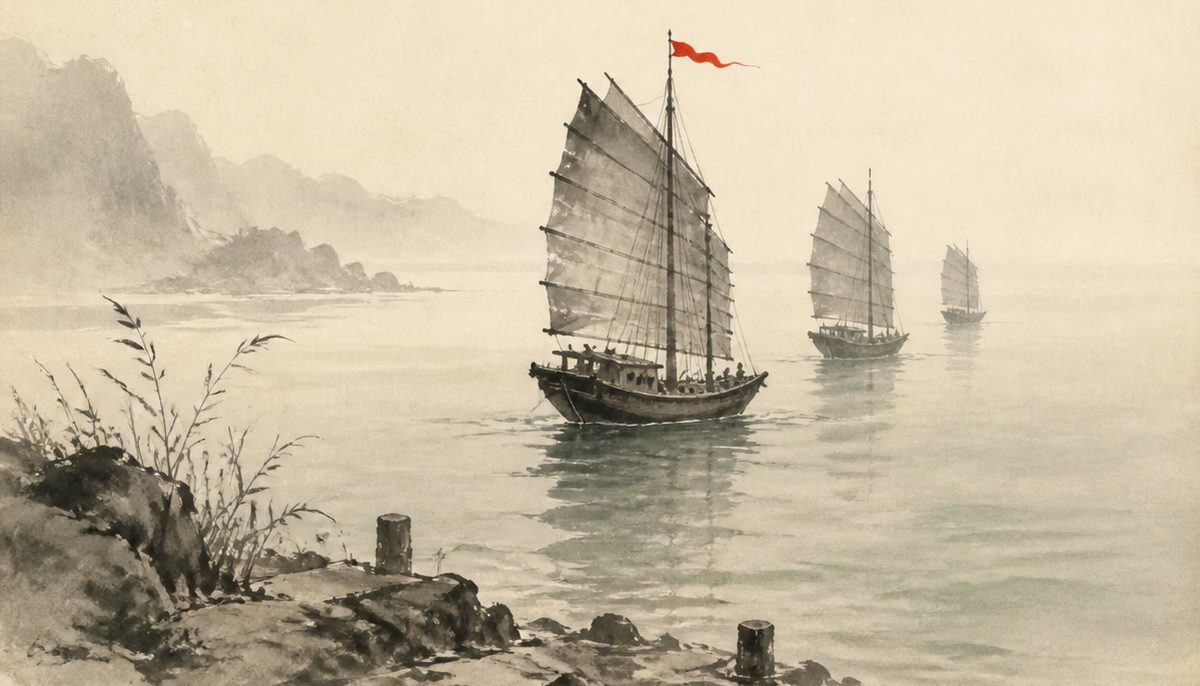
Ink-wash painting of traditional junks sailing out of a misty southern Chinese harbor at dawn, one small red pennant on the nearest mast
Most of the spellings a Chinese surname wears today were fixed in a harbor: a family sailed, a clerk listened, and the way the name sounded in that family's own language became the way it was written forever.

The ten most common Chinese last names

The ranking below is the official one, from the Ministry of Public Security's 2020 national name report, with populations as compiled from the ministry's figures. The numbers deserve a moment. About 92.9 million people share the surname (Wáng): more people than live in Germany, all with one family name. Li, at roughly 92.1 million, sits within a million of it: a statistical photo-finish at the top of the largest name pool on Earth.

The ten most common Chinese surnames with pinyin, mainland population, and romanized spellings in other Chinese languages and neighboring countries.
# Name Mandarin People (mainland) Also spelled
1 Wáng ~92.9 million Wong (Cantonese) · Vương (Vietnamese) · Wang 왕 (Korean) · Ong (Philippines)
2 ~92.1 million Lee (Taiwan, Hong Kong) · Lý (Vietnamese) · Yi / Rhee (Korean)
3 (張) Zhāng ~87.5 million Chang (Wade-Giles) · Cheung (Cantonese) · Teo / Teoh (Hokkien) · Trương (Vietnamese) · Jang (Korean)
4 (劉) Liú over 70 million Lau (Cantonese) · Lưu (Vietnamese) · Yu / Yoo (Korean)
5 (陳) Chén over 70 million Chan (Cantonese) · Tan (Hokkien) · Chin (Hakka) · Trần (Vietnamese) · Jin (Korean)
6 (楊) Yáng over 20 million Yeung (Cantonese) · Dương (Vietnamese) · Yang (Korean)
7 (黃) Huáng over 20 million Wong (Cantonese) · Ng (Hokkien) · Hoàng / Huỳnh (Vietnamese) · Hwang (Korean)
8 (趙) Zhào over 20 million Chiu (Cantonese) · Triệu (Vietnamese) · Jo (Korean)
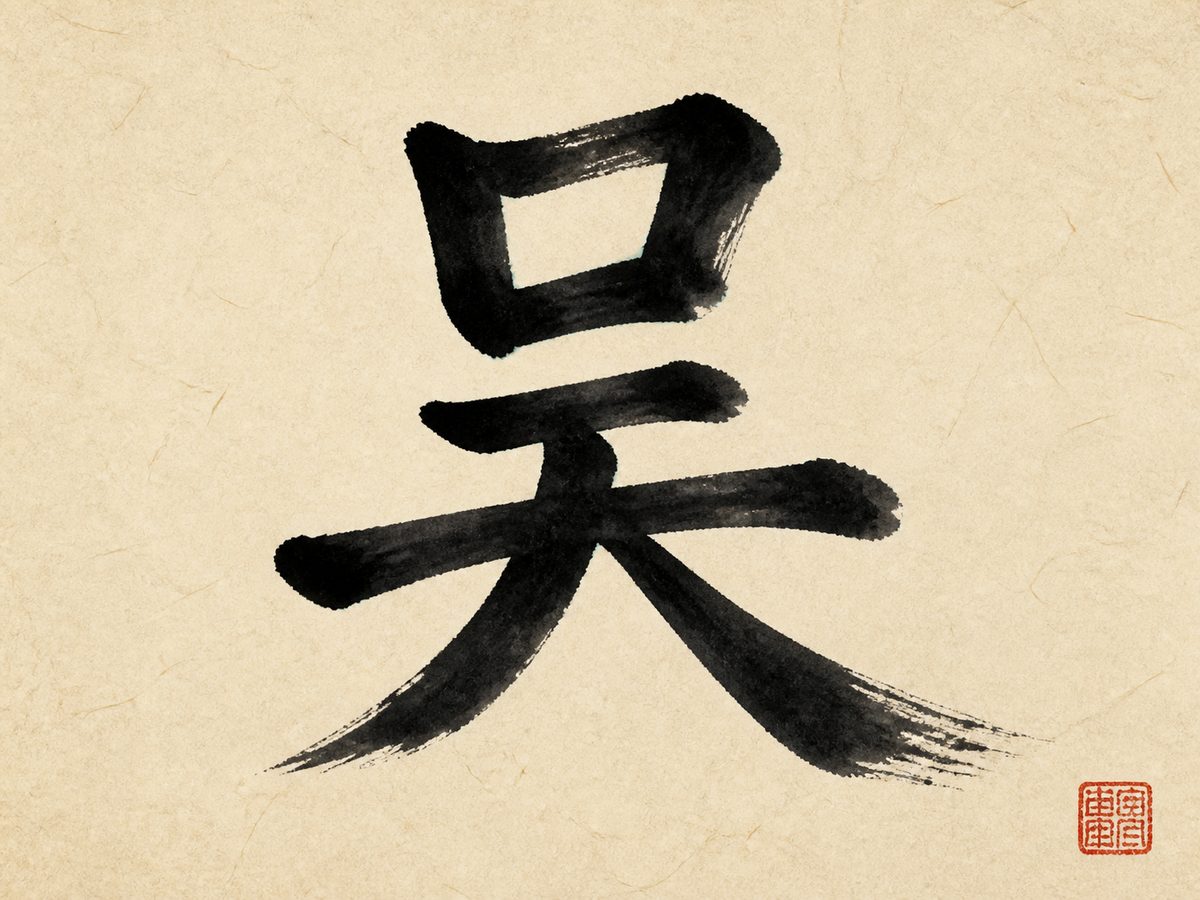
9 (吳) over 20 million Ng (Cantonese) · Ngô (Vietnamese) · Oh (Korean)
10 Zhōu over 20 million Chow / Chau (Cantonese) · Châu (Vietnamese) · Ju (Korean)

An underlined character has a full guide behind it; the rest are still to be written. Where a second character appears in parentheses, that is the traditional form still used in Taiwan, Hong Kong, and overseas communities. "Also spelled" lists the romanizations attested for other Chinese languages and for Vietnamese and Korean, which inherited many of the same surnames.

Surname guides: the ones we have written up in full

Each of these is a full account of one character: where the name actually came from, every spelling it travels under, and the people who carried it. Note that the list is not the ranking above and is not meant to be. A surname can sit outside the national top ten and still be the second most common name in Taiwan, which is exactly what happened to Lin. Scan for the spelling on your own documents rather than for the Mandarin one.

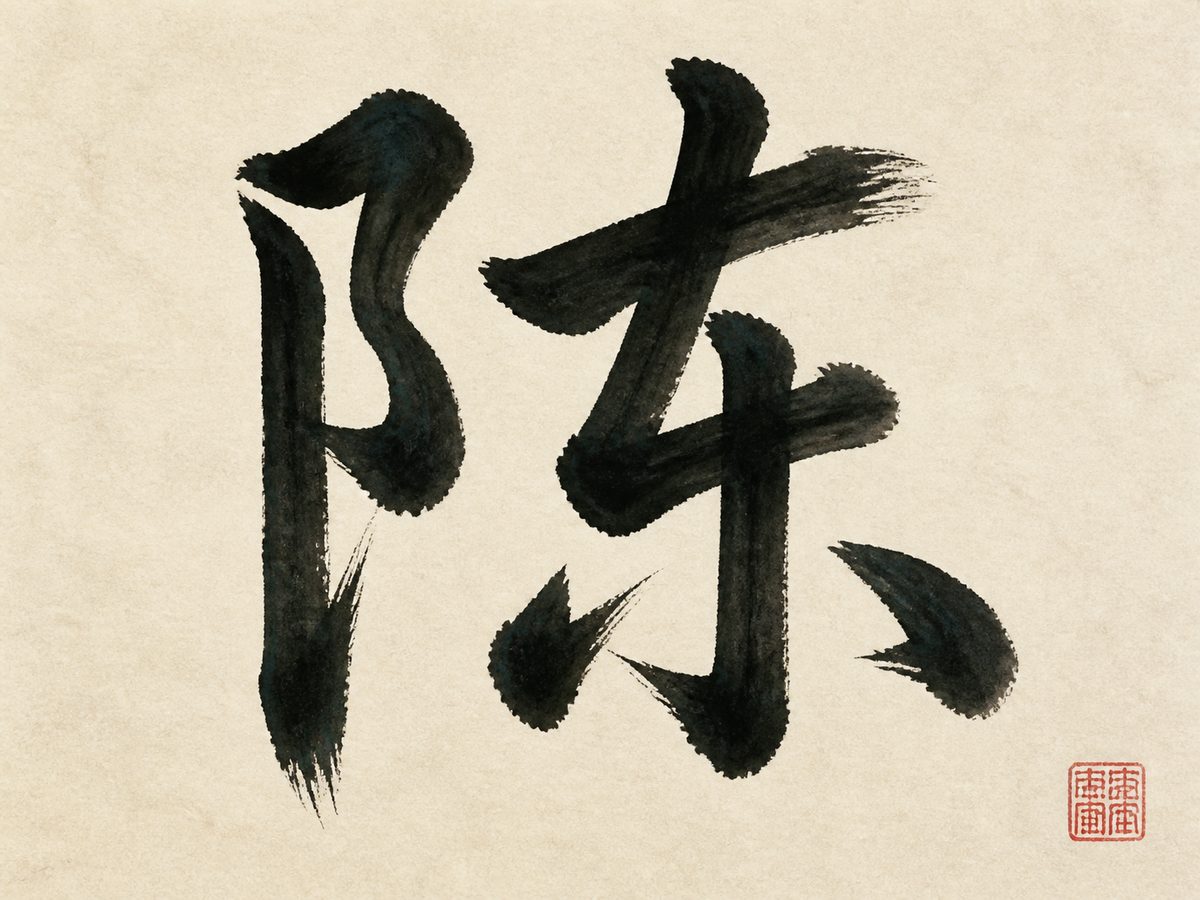
The simplified Chinese character 陈, the surname Chen, in bold brush calligraphy with a small red seal

Chen

Also spelled Chan · Tan · Chin · Trần · Jin

The surname Chen (陈) comes from a Bronze Age kingdom, not a dictionary word. Its meaning, its history, and why one family name is spelled Chan, Tan, and Trần.

Read the guide
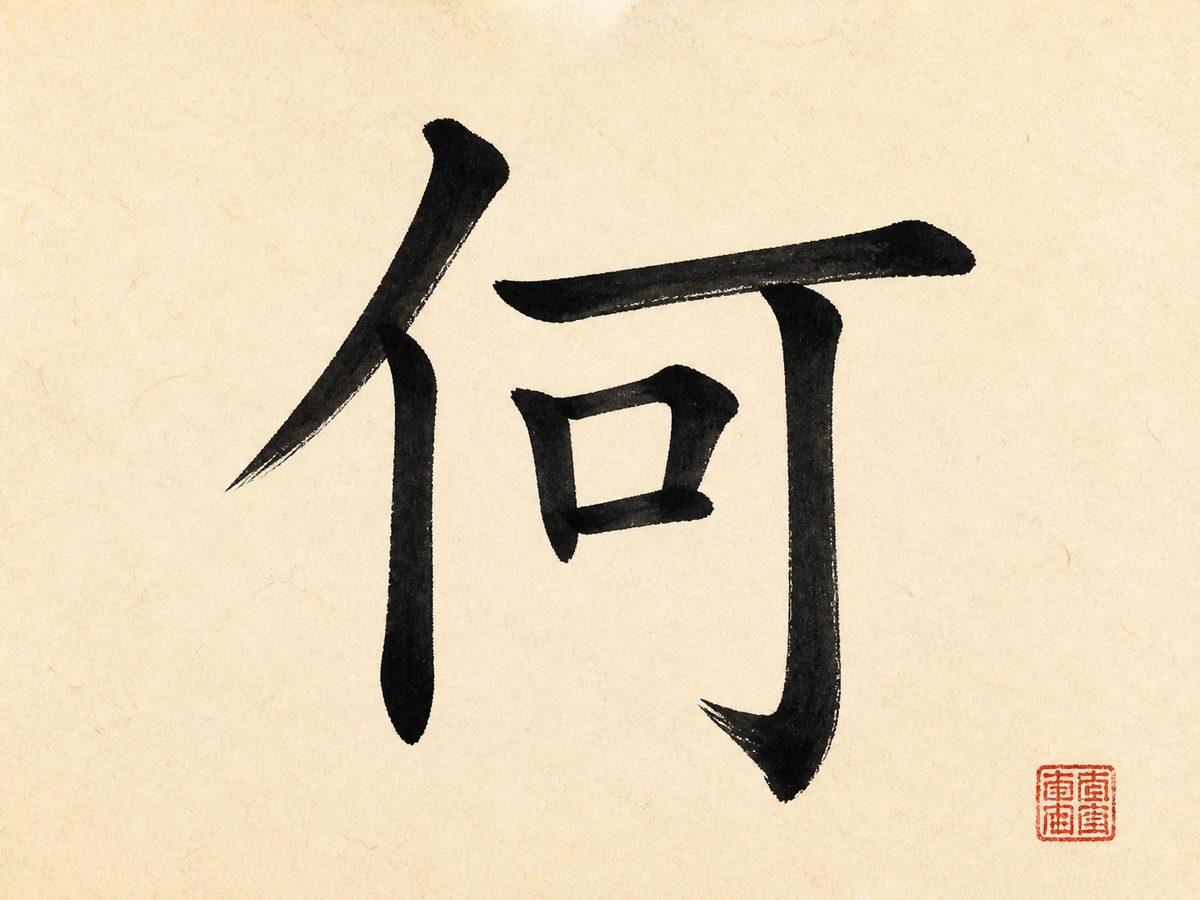
The Chinese character 何, the surname Ho and He, in bold brush calligraphy with a small red seal

He

Also spelled Ho · Hà · Hô / Hoh

Ho is at least four surnames. The Chinese 何 (He), the Chinese 賀, the Vietnamese Hồ, and the Korean Ha. Here is how to tell which one is yours.

Read the guide
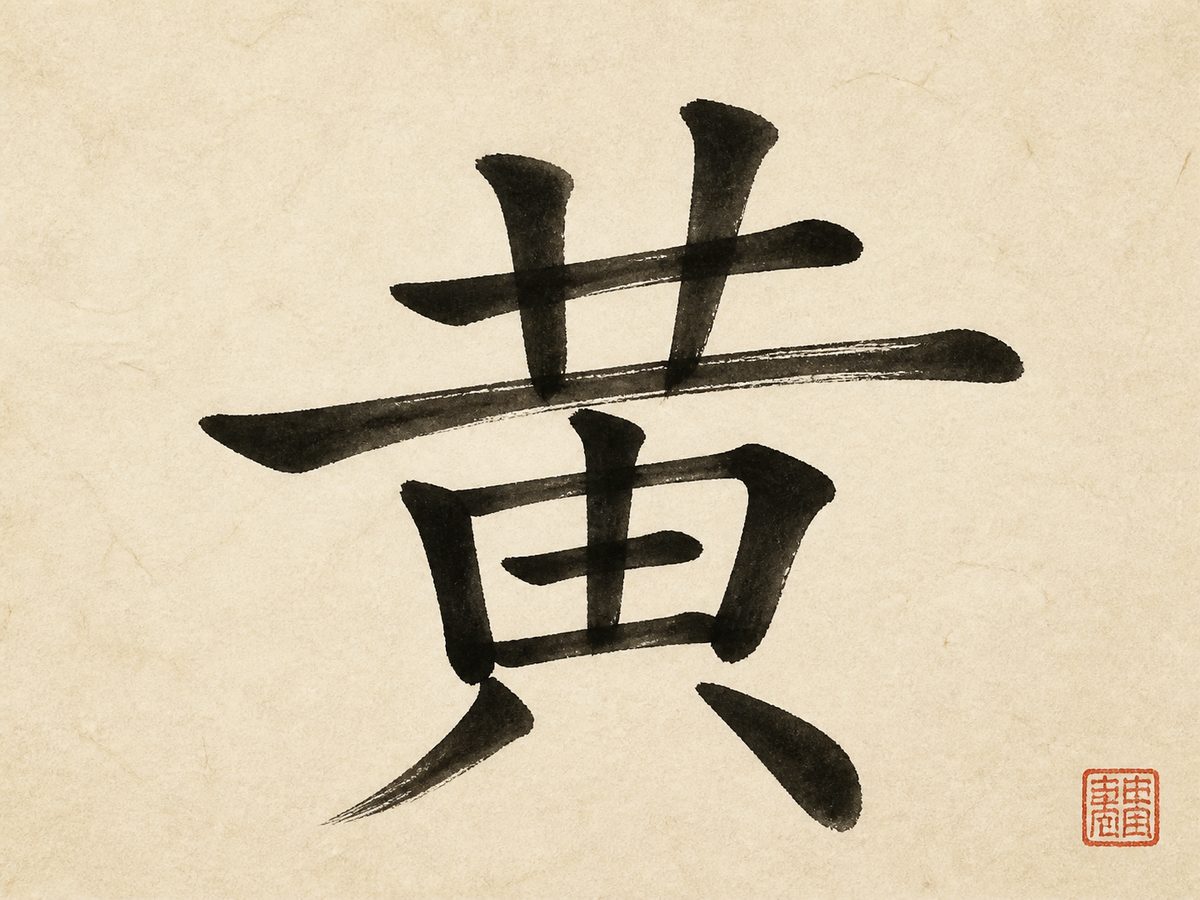
The Chinese character 黄, the surname Huang, Wong, and Ng, in bold brush calligraphy with a small red seal

Huang

Also spelled Wong · Ng / Eng · Ooi / Oei / Oy · Wee / Uy · Hwang · Hoàng / Huỳnh

Huang, Wong, and Ng are one Chinese surname (黄), and it does not mean yellow. Its real origin, why Wong is ambiguous, and which spelling is yours.

Read the guide
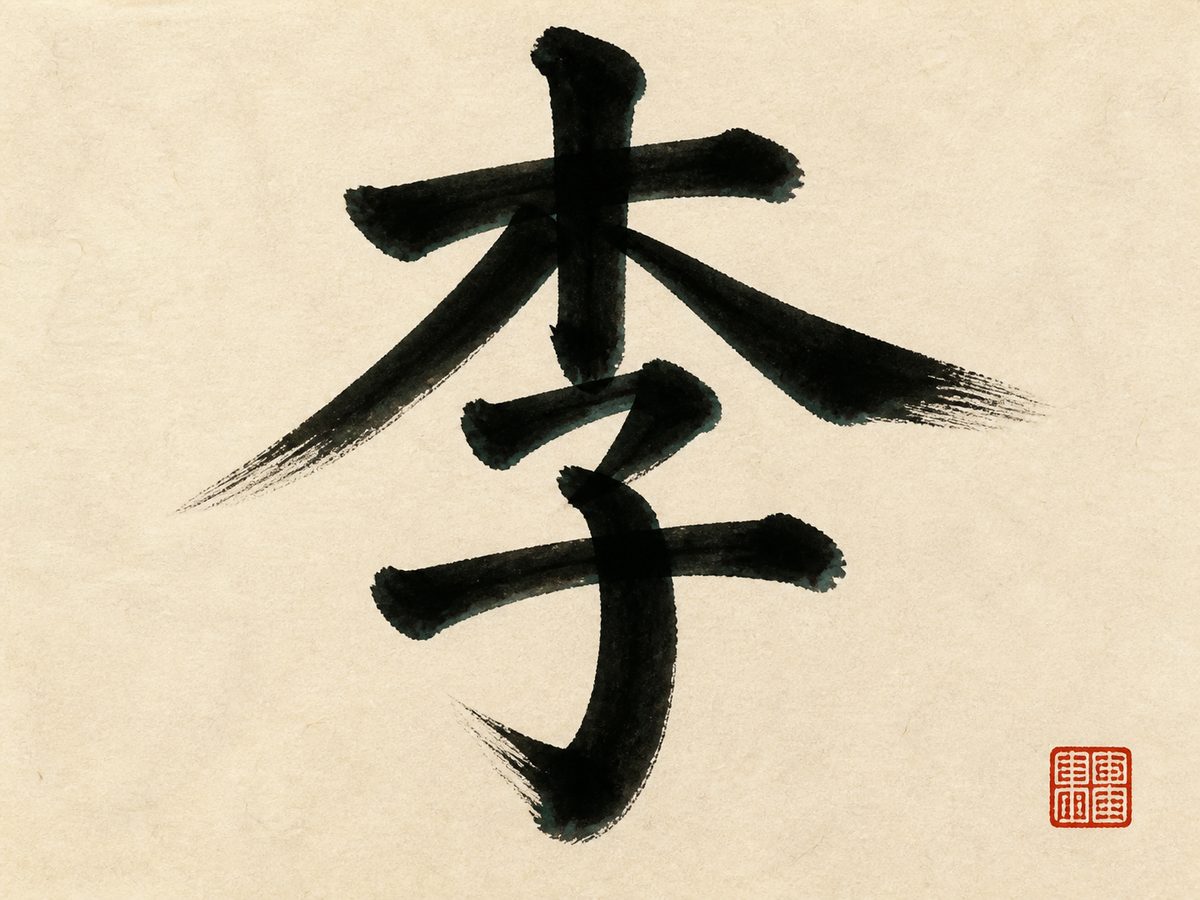
The Chinese character 李, the surname Li, in bold brush calligraphy with a small red seal

Li

Also spelled Lee · Lý · Yi (이) · Rhee

The surname Li (李) means plum, but the name did not come from the tree. Its origin, its poets and emperors, and how it became Lee in three countries at once.

Read the guide
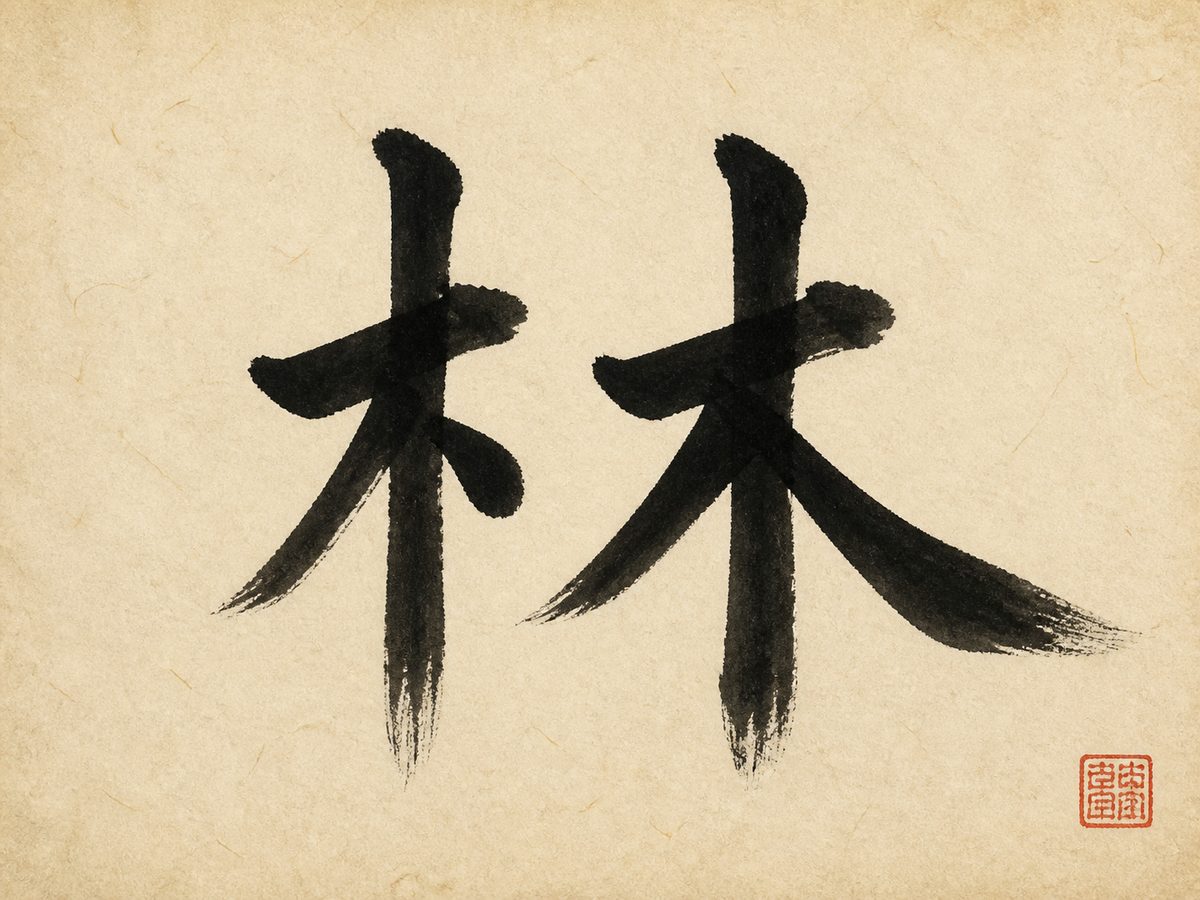
The Chinese character 林, the surname Lin, Lam, and Lim, in bold brush calligraphy with a small red seal

Lin

Also spelled Lam / Lum · Lim · Lâm · Im

Lin, Lam, and Lim are one Chinese surname (林) spelled by three different dialects. Its origin, its sea goddess, and how to tell which spelling is yours.

Read the guide
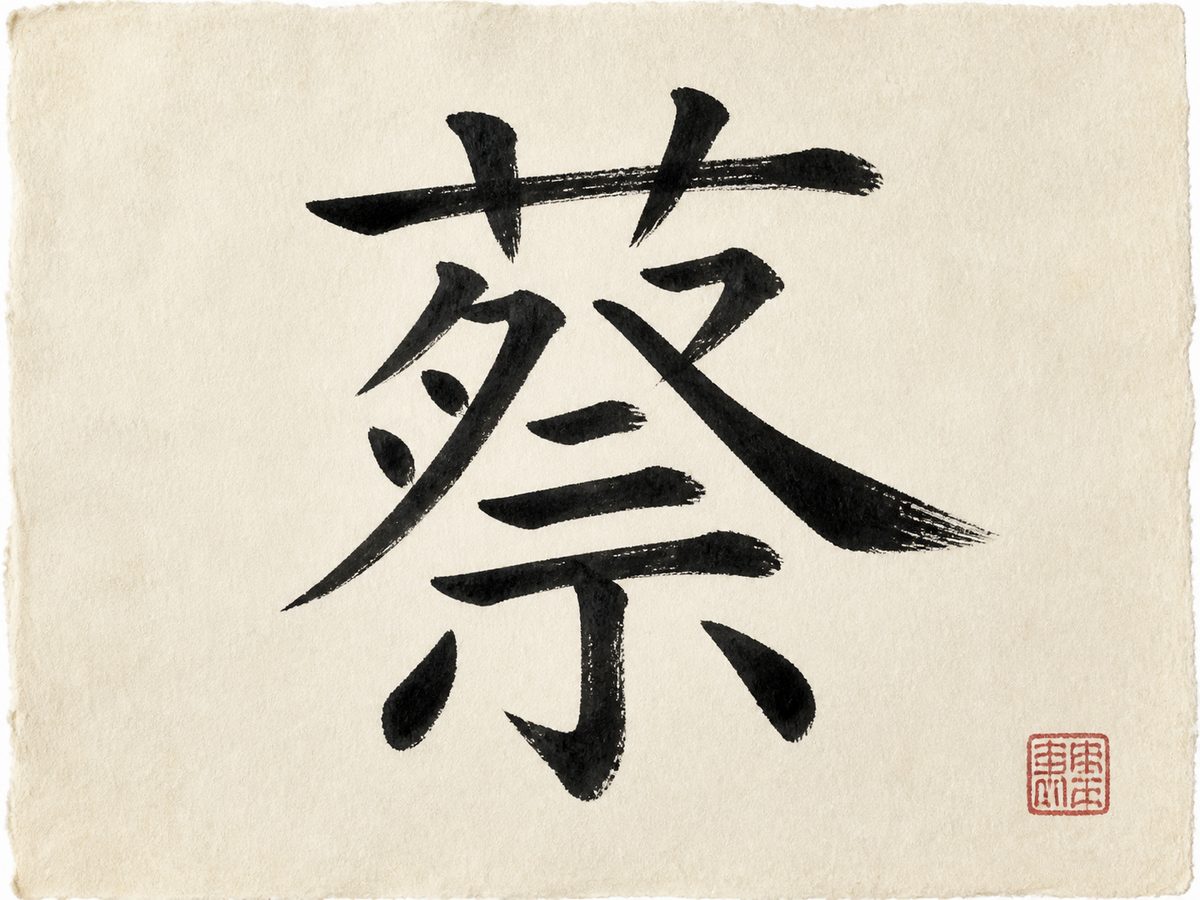
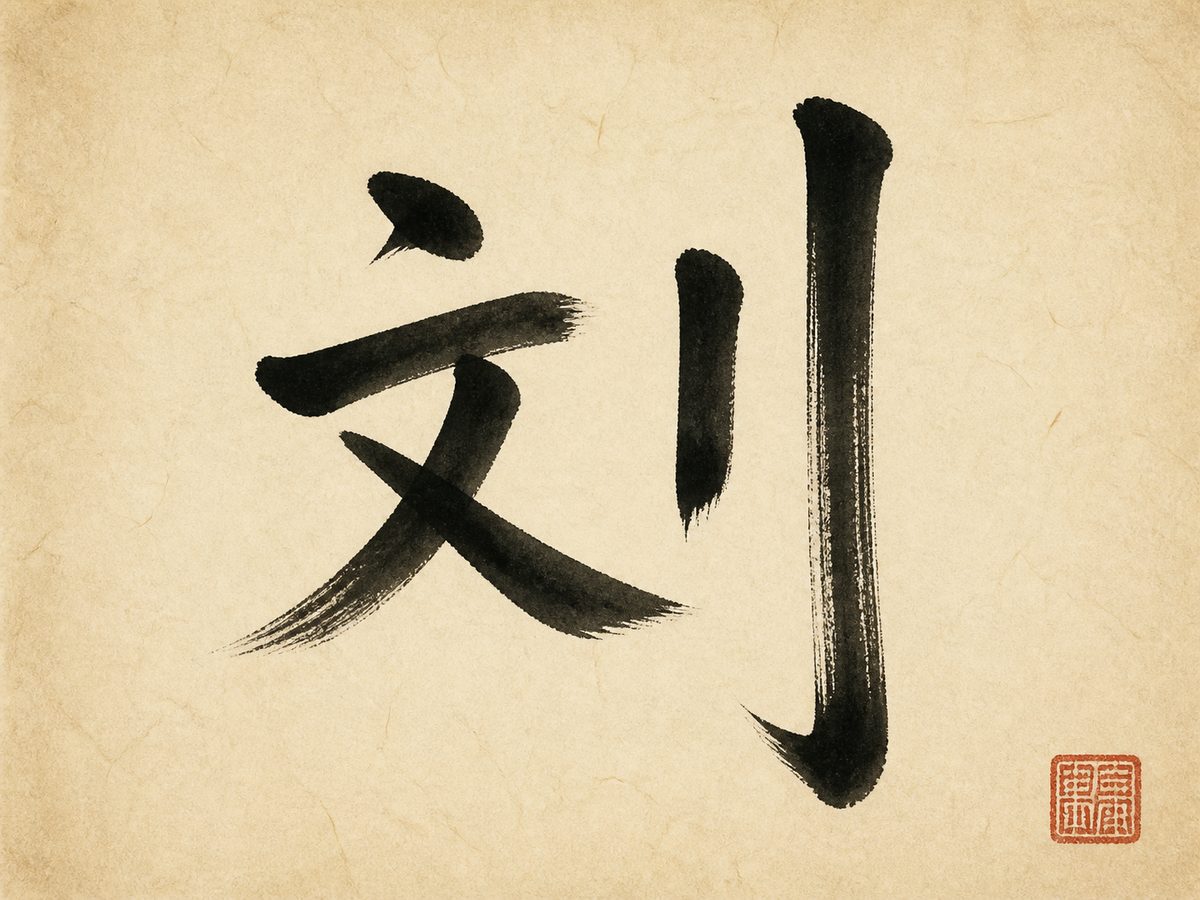
The simplified Chinese character 刘, the surname Liu and Lau, in bold brush calligraphy with a small red seal

Liu

Also spelled Lau · Liew · Lauw / Low · Lưu · Yoo / Yu / Ryu

Liu (刘) is China's fourth most common surname, and the dictionary defines it as to kill. Its Han-dynasty origin, its Lau spelling, and what it really means.

Read the guide
The simplified Chinese character 吴, the surname Wu and Ng, in bold brush calligraphy with a small red seal

Ng

Also spelled Wu · Goh / Go / Ngoh · Woo · Ngô · Oh / O

Ng is the Chinese surname with no vowels. It is usually 吴 (Wu), a name founded by a prince who refused a throne, but not always. Here is how to tell.

Read the guide
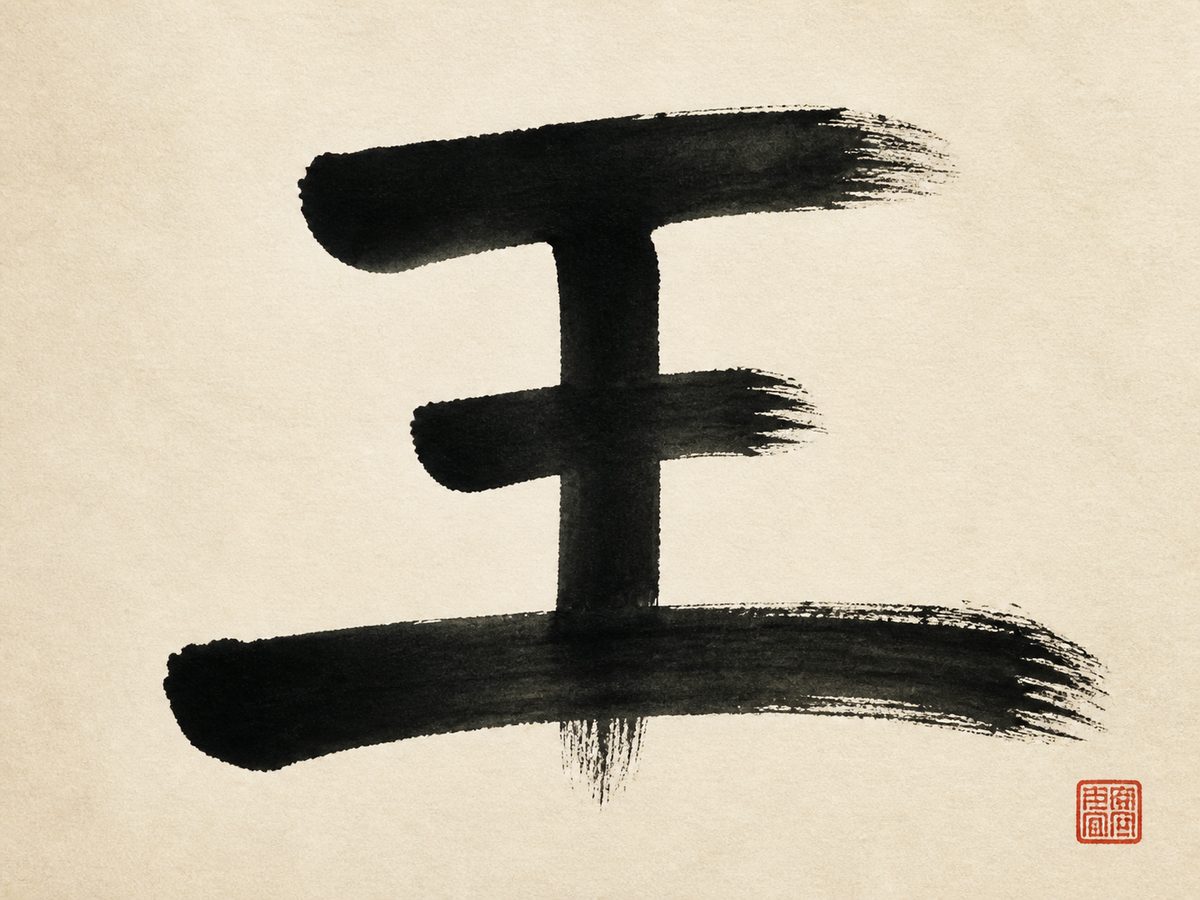
The Chinese character 王, the surname Wang, in bold brush calligraphy with a small red seal

Wang

Also spelled Wong · Ong / Ung · Vương · Wang (왕) · Ō

Wang (王) means king, and it is the most common surname in China. The irony: it was adopted by families who had just lost thrones. Meaning, origin, spellings.

Read the guide
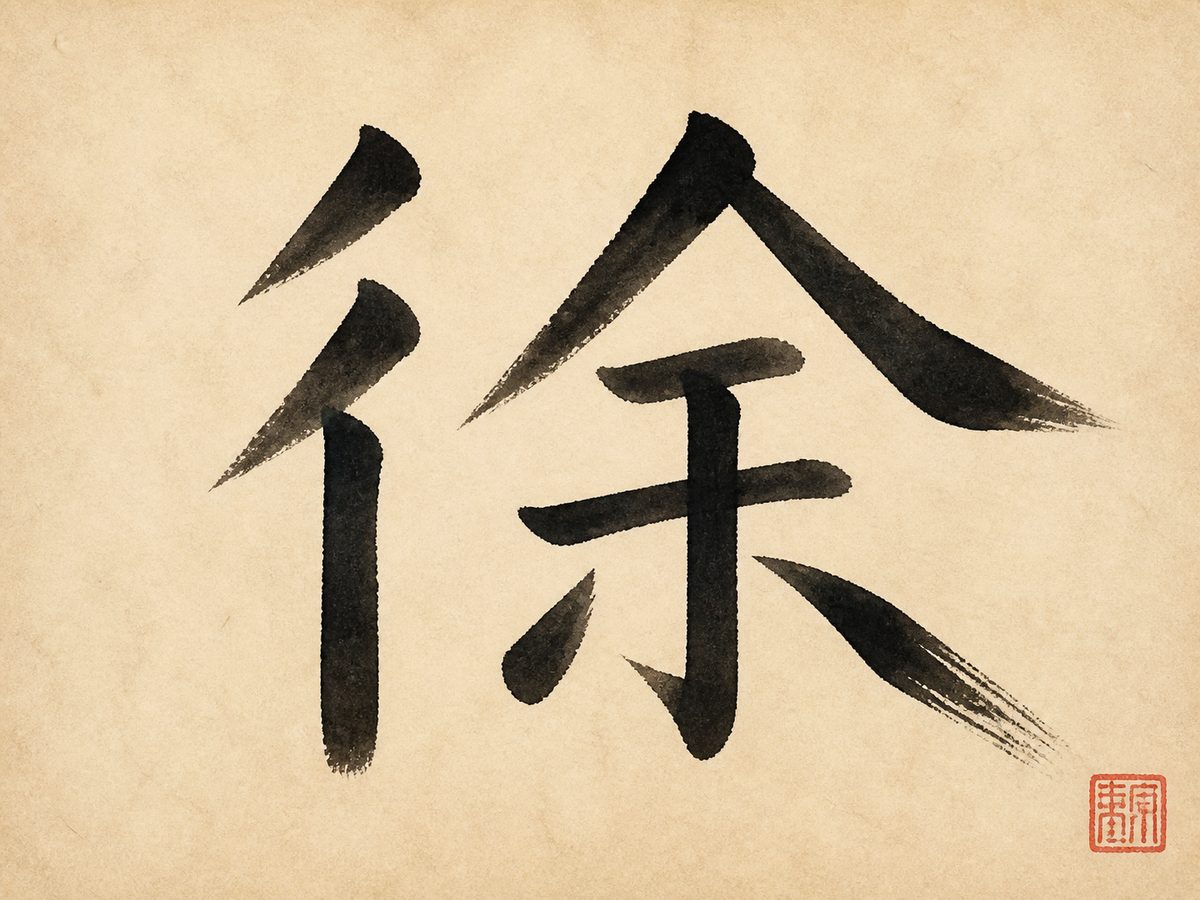
The Chinese character 徐, the surname Xu, Hsu, and Tsui, in bold brush calligraphy with a small red seal

Xu

Also spelled Hsu · Tsui / Chui · Choi · Chhî / Sû · Zee · Từ

Hsu and Xu are the same Chinese surname 徐, meaning to walk unhurried. But Hsu also spells a second, unrelated surname, and only tone separates them.

Read the guide
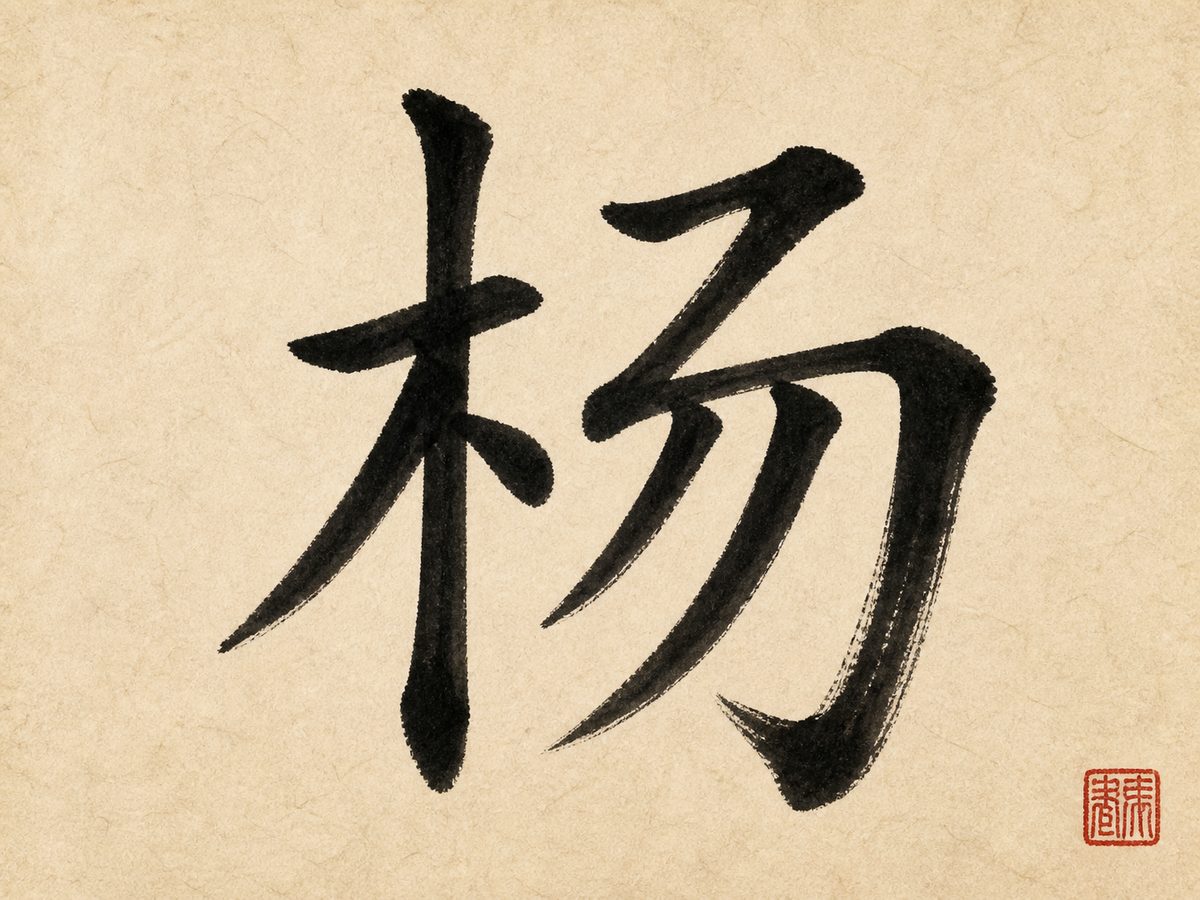
The Chinese character 杨, the surname Yang, Yeung, and Yeoh, in bold brush calligraphy with a small red seal

Yang

Also spelled Yeung · Yeong / Young · Ieong · Yeoh / Yeo / Yo · Yong / Jong · Dương

Yang (杨) is the sixth most common Chinese surname and means poplar, not willow. It is also Korean, Vietnamese and Hmong, and never the yang of yin-yang.

Read the guide
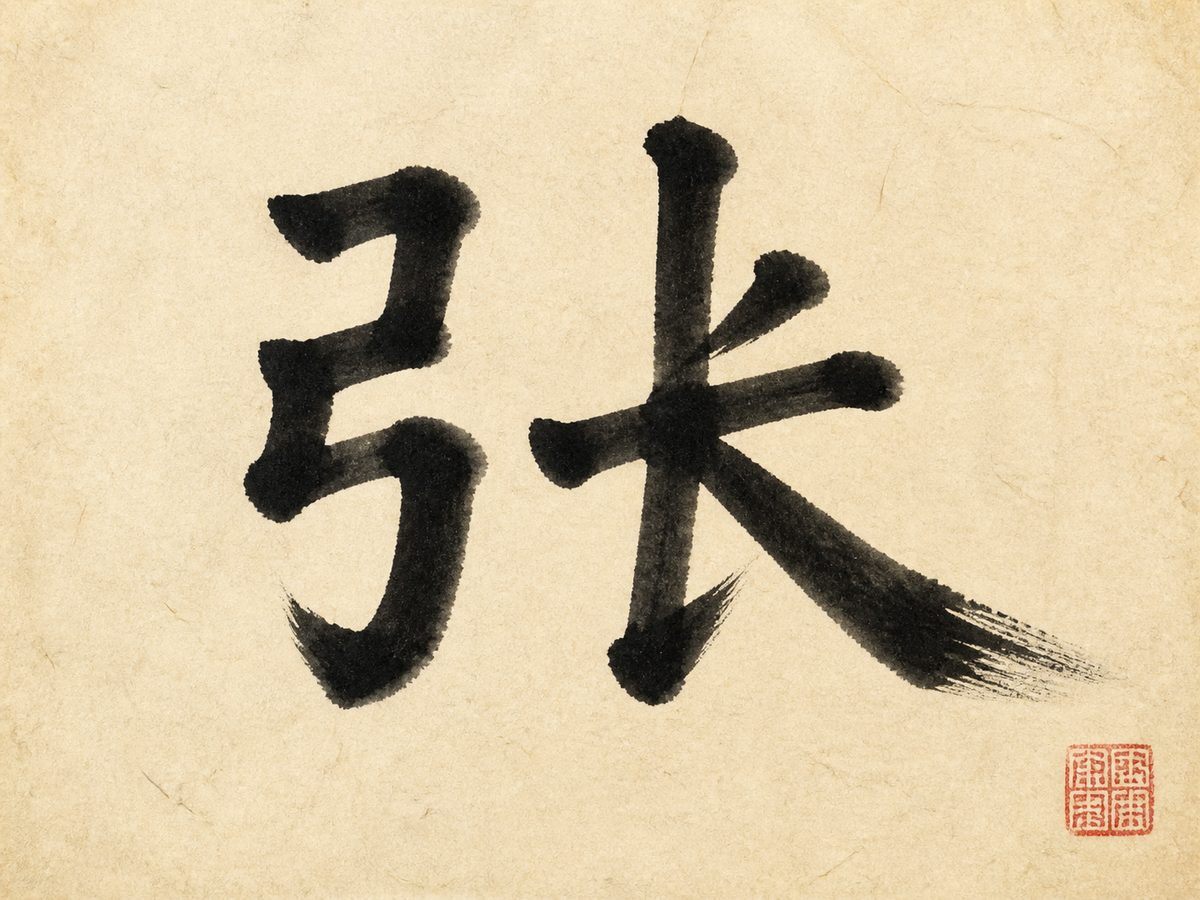
The Chinese character 张, the surname Zhang, Chang, and Cheung, in bold brush calligraphy with a small red seal

Zhang

Also spelled Chang · Cheung · Cheong · Teoh / Teo · Trương · Jang

Zhang, Chang, and Cheung are one Chinese surname (张), and it means to draw a bow. Its origin, why Chang is four different names, and which one is yours.

Read the guide
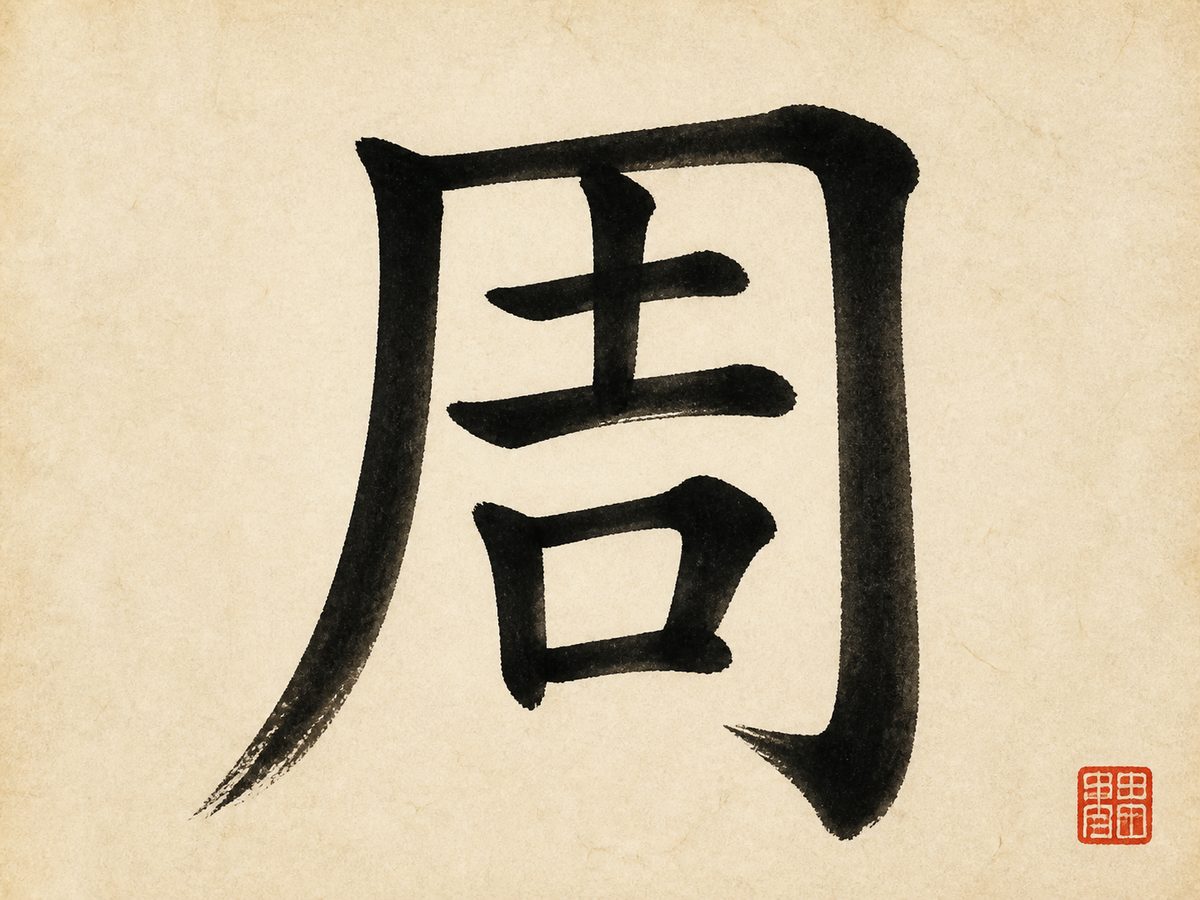
The Chinese character 周, the surname Chow, Chou and Zhou, in bold brush calligraphy with a small red seal

Zhou

Also spelled Chow / Chau · Chou · Chiu / Chew · Châu

Chow, Zhou and Chou are the same Chinese surname 周, the tenth most common in China. But Chow also spells five other surnames. Here is how to tell.

Read the guide

One name, five spellings: reading the migration map

Take the fifth name on the list. In Mandarin, is Chén. Say it in Cantonese and it comes out closer to Chan; in Hokkien, the language of southern Fujian, it is Tan; in Hakka, Chin. Same character, same family name, different Chinese languages. When families from those coasts emigrated in the nineteenth and twentieth centuries, harbor clerks and colonial registrars wrote down what they heard. Jackie Chan's ancestors and a Singaporean named Tan are, on paper, carrying the same name. That name has the richest biography of the ten, a kingdom and a dynasty included, and it gets a full page of its own.

So a Chinese surname's spelling is a fossil of its route. Chan usually means the family passed through Hong Kong or Guangdong; Tan points to Fujian and the straits ports of Singapore and Malaysia; Trần means the name took the land road into Vietnam, where the Tran ruled as a dynasty for nearly two centuries. The name did not change. The listener did.

It also works in reverse, and this is where it gets genuinely confusing: Cantonese merged names that Mandarin keeps apart. The royal surname (Wáng, the word for king) and the surname (Huáng, the word for yellow) are unrelated names with separate histories, but in Cantonese both come out as Wong. Every Wong family knows which one they are. The spelling alone will not tell you.

Mainland China standardized on pinyin romanization in the twentieth century, which is why recent emigrants are Chen and Zhang while older diaspora families are Chan and Cheung. Neither is more correct. They are timestamps. If you want to see what the name looks like when the spelling question disappears entirely, our calligraphy tool will write any surname character in six classical scripts.

The family name comes first

A Chinese name runs family-first: Zhang Wei is Zhang the family, Wei the person. This is the same ordering logic Chinese applies to everything, dates run year-month-day, addresses run province-city-street, the large unit before the small one. Calling the surname a "last name" is strictly a translation artifact; in China it has been the first name for as long as anyone has written names down.

Two facts about Chinese surnames reliably surprise Western readers. First, a married woman keeps her surname, for life. Taking a husband's name was never the custom, not now and not historically; a Mrs. Wang who married a Mr. Li is still Wang. Second, the surname is compact: almost always one character, paired with a given name of one or two. The Ministry of Public Security's 2020 report adds a quietly modern footnote: children have traditionally taken the father's surname, but registration now runs about one newborn in thirteen under the mother's.

The given name is the opposite of the surname in every way: chosen rather than inherited, effectively unlimited, and picked for meaning, sound, and sometimes the advice of a fortune-teller. The surname is the half of a Chinese name you cannot choose. The other half is where all the choosing happens, and our Chinese name generator exists for exactly that half.

Six thousand names, five that matter statistically

Chinese history has recorded some 24,000 surnames, by the Ministry of Public Security's count. Most did not survive. A little over 6,000 remain in use, and the concentration at the top is extreme: the hundred most common cover 84.77 percent of the population. The rhyme is real, then: in a Chinese crowd, shout "Old Wang" and a measurable slice of the crowd turns around.

The long tail is where the curiosities live. About a hundred surnames are two-character compounds, and the largest of them, Ouyang (欧阳), is carried by 1.11 million people, which makes China's rarest common name more populous than a fair-sized European city. Others survive in the tens of thousands: the report lists Shangguan at 88,000 and Linghu at 55,000, names that sound, to Chinese ears, like characters walking straight out of a martial-arts novel.

The list is so central to Chinese life that it became the word for everyone on it. The everyday term for ordinary people is lǎobǎixìng, literally "the old hundred surnames." Where English says the man on the street, Chinese says the hundred names. It is hard to think of another country whose word for "the public" is, precisely, its surname list.

What the names mean: yours is probably a place

Surname listicles like to translate Chinese family names as dictionary words: Wang means king, Li means plum, Huang means yellow. The words are real, but as origin stories they are mostly wrong, because a large share of the great surnames are not words at all. They are addresses. When the Zhou kings parceled the land into feudal states three thousand years ago, the states' names became their people's names, and the names outlived the states by millennia.

This is not a modern theory; the Chinese were cataloguing it two thousand years ago. A Han dynasty compendium, the Fengsu Tong, already sorted surnames into nine origin types: names of states (Wu, Zhou, Chen, and Song are all former countries), official posts (Sima, "minister of horses"), noble titles (Wang, the king), trades (Tao the potter, Tu the butcher), birth-order words, bestowed honors, and so on. A Chinese surname, in other words, is usually a job title, a rank, or a pin on a Bronze Age map. The dictionary meaning of the character is a coincidence the family walked past on the way to the name.

Chen is the clean example: a state in today's Henan province, founded when the Zhou king enfeoffed a descendant of the sage-king Shun there. When the state fell in 479 BC, its people kept its name, and 70 million mainlanders plus the plurality of Taiwan and Singapore carry it today. Zhao's fame came later and from the top: it was the family name of the Song dynasty emperors, which, as we will see, bought it the best seat in the most famous surname list ever written.

The traditional accounts of the other giants are their own kind of wonderful. Li, per the standard telling, began not as "plum" but as an official title: a Xia dynasty minister of justice whose descendants took the office's name, later shifting to the plum character that sounded the same. Its first securely recorded bearer is a philosopher named Li Er, better known as Laozi, the founder of Daoism. The name then had the great fortune of belonging to the emperors of the Tang dynasty, who handed it out to favored generals the way modern states hand out medals, which is a large part of how it reached 92 million.

Zhang, meanwhile, is built from the characters for bow and long: the traditional ancestor is Hui, a grandson of the Yellow Emperor, credited with inventing the bow and arrow and surnamed for it. Take the legend as a legend; the trade-name origin is the plausible core. In 1990 the Guinness Book of Records listed Zhang as the most common surname on Earth. It quietly dropped the claim in later editions, not because Zhang is rare but because nobody could actually count. Wang and Li have since pulled ahead in the official figures.

The woman radical: how old these names really are

One more layer down sits the oldest fact on this page. The Chinese word for surname, xìng (), is built from two parts: the character for woman and the character for giving birth. That is not a poetic reading; it is the construction of the word. And the most ancient surnames on record, the ones scholars call the great xing of antiquity, names like Ji, Jiang, Yao, and Ying, nearly all carry that same woman radical inside them. The earliest Chinese family names, on the evidence of the characters themselves, were reckoned through mothers.

Ancient China actually ran two naming systems side by side: the matrilineal xing, the deep clan name, and the patrilineal shi, a branch name that a lineage picked up from its fief, office, or title as clans split and spread. Most of the "state" surnames in the section above began life as shi. The two systems later collapsed into one, the word xing swallowed both, and the mother-line layer survives today mainly as a fossil inside the characters. A reader who has just learned that a married Chinese woman keeps her surname for life may find that fossil less surprising.

The rhyme that ranked them all

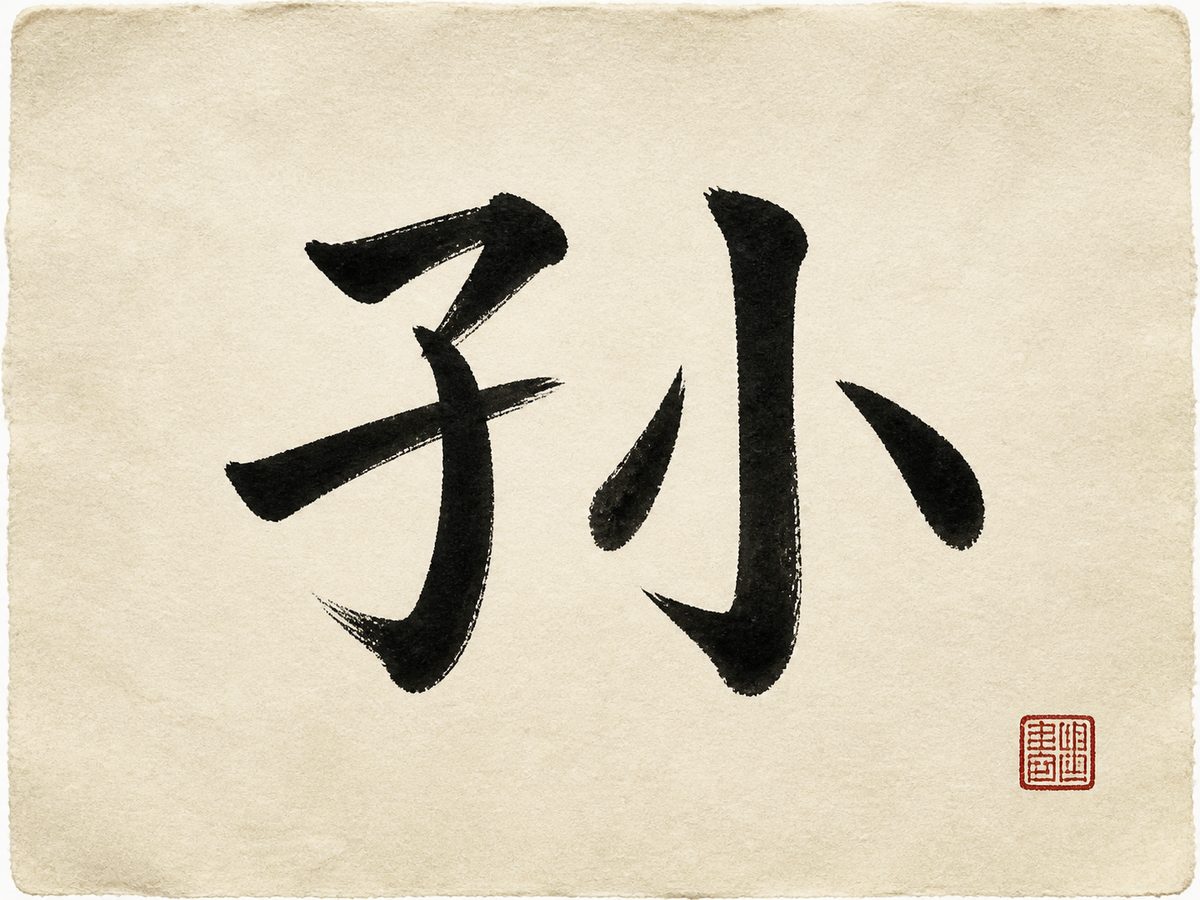
Ask an older Chinese speaker to recite the surnames and you may get the opening of the Hundred Family Surnames, a Song dynasty rhyme that begins Zhao, Qian, Sun, Li. It contains 504 surnames arranged in rhymed lines of eight characters, and for centuries schoolchildren memorized it as one of the "Three-Hundred-Thousand" primer trio, alongside the Three Character Classic and the Thousand Character Classic, learning to read and learning who everyone was in the same breath.

Its ranking, though, is not a census. It is flattery. The rhyme opens with Zhao because Zhao was the surname of the reigning Song emperors; Qian comes second because it was the royal house of Wuyue, the region where the text was likely composed; Sun was the surname of a Wuyue queen. The compiler put the bosses first. A thousand years later, the real list looks different: Zhao sits eighth, and Qian does not make the top ten at all. When a modern "top 100 Chinese surnames" list and the classic rhyme disagree, that is why. One is data; the other was politics set to meter.

Questions people actually ask

What is the most common Chinese last name? +

Wang (王), the word for king, carried by roughly 92.9 million people in mainland China according to the Ministry of Public Security's 2020 national name report. Li (李) is a statistical photo-finish behind it at about 92.1 million, and either would be the largest surname on Earth. For scale: more people answer to Wang than live in Germany. In Taiwan and Singapore the most common surname is not Wang but Chen (陈), which says less about the names than about who migrated south.

Why do Chinese names put the last name first? +

Because in China it is not the last name. The family name has come first in Chinese for as long as records exist: family first, individual second, the larger unit before the smaller one, the same logic Chinese uses for dates and addresses. A name like Zhang Wei is Zhang the family, Wei the person. The confusion only appears in translation, when Western forms ask for a "first name" and a Chinese name has to be flipped to fit. Nothing about the name changed; only the form did.

How many Chinese last names are there? +

The Ministry of Public Security's 2020 report counts more than 6,000 surnames currently in use, out of some 24,000 that have been recorded in Chinese history. But the working set is dramatically smaller: the top 100 surnames cover about 85 percent of the population, and the top five alone, Wang, Li, Zhang, Liu, and Chen, cover 30.8 percent. Roughly one person in three, in a country of 1.4 billion, carries one of five family names.

Are there male and female Chinese last names? +

No. Chinese surnames have no gender: a daughter inherits exactly the same character her brother does. What surprises Western readers more is that marriage does not change it either. A Chinese woman keeps her surname for life, and always has; taking a husband's name was never the custom. Children have traditionally taken the father's surname, though the law allows either parent's, and in 2020 about one newborn in thirteen was registered under the mother's.

Why don't some Chinese last names look Chinese? +

Because a surname was written down the way it sounded in the bearer's own language, at the port where a clerk first spelled it in Latin letters. The character 陈 is Chen in Mandarin, but a Cantonese speaker says it closer to Chan, and a Hokkien speaker closer to Tan, so families that sailed from Guangdong became Chans and families from Fujian became Tans. Lee, Wong, Ng, Chow, and Teo are all the same story. The spelling is not a corruption of the name; it is a record of where the family came from.

Sources & further reading

Stay in the loop.

Chinese mythology, the zodiac, and the meaning behind names and symbols, rooted in the classics and read back to you. No spam. Unsubscribe anytime.