Bazi · The count

The sexagenary cycle: sixty names that count the years, the days and you

The sexagenary cycle is a list of sixty names. Each name is two characters, one of the ten heavenly stems over one of the twelve earthly branches, and the list runs from jiazi to guihai and then starts again. China has used it to count days for well over three thousand years and to count years for about two, which is why 2026 is a bingwu year, why a Chinese sixtieth birthday is the one that matters, and why a bazi chart is four names off this list: the year, the month, the day and the hour you were born.

The table below is the whole list, generated from the same tables our calculator runs on, with the sound each pair carries and the years in living memory that carry it. After it: how the count works, the much stranger names the sixty had before these ones, why the day count has not been reset since before Confucius, and what the thirty sounds are for.

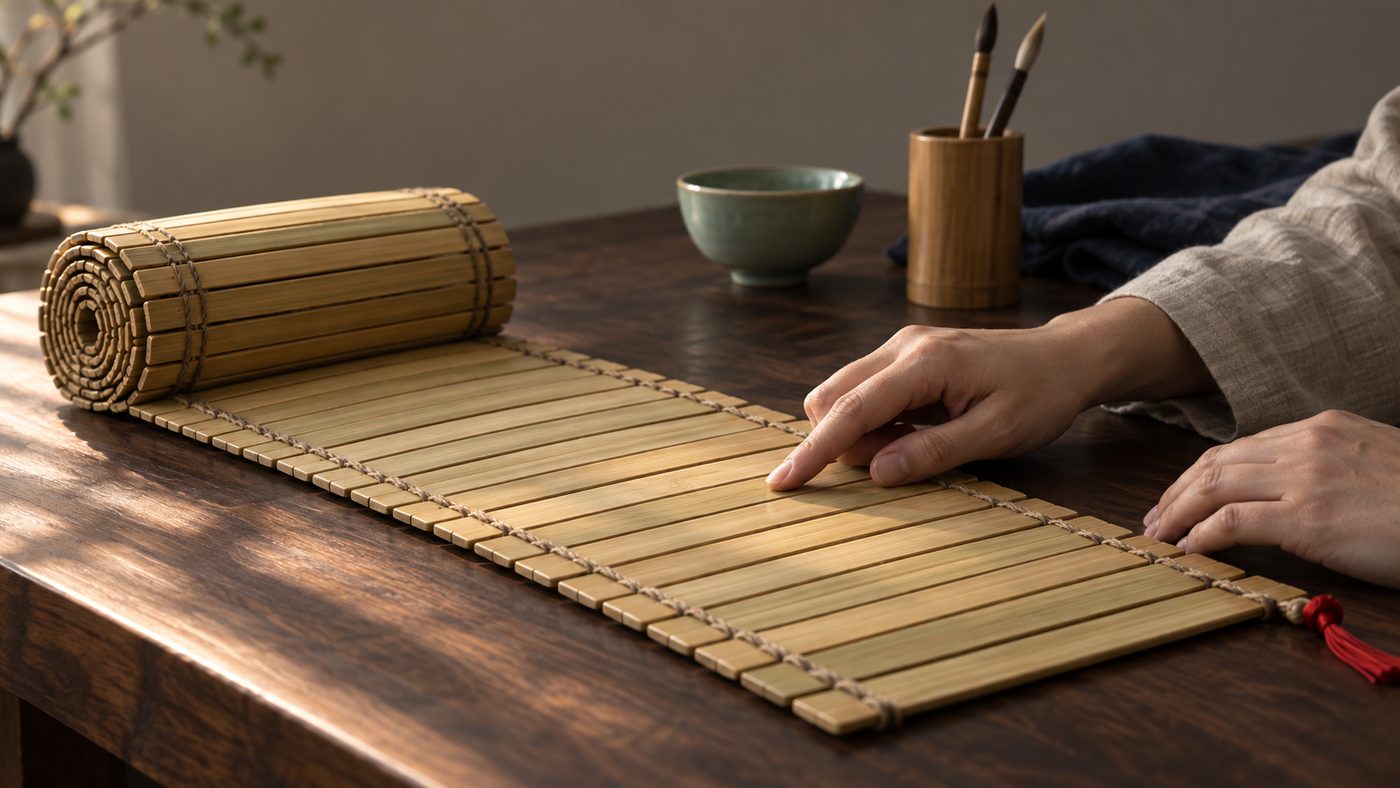
A long roll of unmarked bamboo slips bound with hemp cord lies partly unrolled across a dark wooden table in low side light, the far end still coiled, while a hand in a linen sleeve rests a fingertip on one slip.
A count that runs on, slip after slip, and comes round. Illustration.

Find the name of any date

A date between 1900 and 2100 returns its year name and its day name, with the sound each carries. Add a time to carry it through to the full chart. Nothing you enter is stored.

The sixty names

Ten against twelve. The stems and the branches step forward together, one notch each, so jia sits on zi, then yi on chou, bing on yin, and so on down the line. Because both move at once, a stem in an odd position only ever meets a branch in an odd position: jia will pair with zi, yin, chen, wu, shen and xu, and never in sixty lifetimes with chou. Half the grid of 120 possible pairs is never visited, and after sixty steps jia lands on zi again. That is the whole mechanism. Everything else on this page is what people have done with it.

In the table, the element and polarity are the stem's, the animal is the branch's, and the sound is the nayin the pair shares with its neighbor, explained at the end of the page. The two years against each name are the ones in the last two full cycles, 1924 to 1983 and 1984 to 2043, on the Lichun rule the chart uses; if you were born in January or early February, the year-boundaries page has both dates for your year.

The sixty stem-branch names in order: number, characters and pinyin, the stem's polarity and element, the branch's zodiac animal, the shared nayin, and the two years in 1924–2043 that carry the name.
# Name Stem Animal Sound (nayin) Years
1 甲子 jiǎ zǐ Yang Wood Rat Metal in the sea 海中金 1924 · 1984
2 乙丑 yǐ chǒu Yin Wood Ox Metal in the sea 海中金 1925 · 1985
3 丙寅 bǐng yín Yang Fire Tiger Fire in the furnace 炉中火 1926 · 1986
4 丁卯 dīng mǎo Yin Fire Rabbit Fire in the furnace 炉中火 1927 · 1987
5 戊辰 wù chén Yang Earth Dragon Wood of the great forest 大林木 1928 · 1988
6 己巳 jǐ sì Yin Earth Snake Wood of the great forest 大林木 1929 · 1989
7 庚午 gēng wǔ Yang Metal Horse Earth by the roadside 路旁土 1930 · 1990
8 辛未 xīn wèi Yin Metal Goat Earth by the roadside 路旁土 1931 · 1991
9 壬申 rén shēn Yang Water Monkey Metal of the sword edge 剑锋金 1932 · 1992
10 癸酉 guǐ yǒu Yin Water Rooster Metal of the sword edge 剑锋金 1933 · 1993
11 甲戌 jiǎ xū Yang Wood Dog Fire on the mountaintop 山头火 1934 · 1994
12 乙亥 yǐ hài Yin Wood Pig Fire on the mountaintop 山头火 1935 · 1995
13 丙子 bǐng zǐ Yang Fire Rat Water in the ravine 涧下水 1936 · 1996
14 丁丑 dīng chǒu Yin Fire Ox Water in the ravine 涧下水 1937 · 1997
15 戊寅 wù yín Yang Earth Tiger Earth of the city wall 城头土 1938 · 1998
16 己卯 jǐ mǎo Yin Earth Rabbit Earth of the city wall 城头土 1939 · 1999
17 庚辰 gēng chén Yang Metal Dragon White-wax metal 白蜡金 1940 · 2000
18 辛巳 xīn sì Yin Metal Snake White-wax metal 白蜡金 1941 · 2001
19 壬午 rén wǔ Yang Water Horse Willow wood 杨柳木 1942 · 2002
20 癸未 guǐ wèi Yin Water Goat Willow wood 杨柳木 1943 · 2003
21 甲申 jiǎ shēn Yang Wood Monkey Water in the spring 泉中水 1944 · 2004
22 乙酉 yǐ yǒu Yin Wood Rooster Water in the spring 泉中水 1945 · 2005
23 丙戌 bǐng xū Yang Fire Dog Earth on the roof 屋上土 1946 · 2006
24 丁亥 dīng hài Yin Fire Pig Earth on the roof 屋上土 1947 · 2007
25 戊子 wù zǐ Yang Earth Rat Thunderbolt fire 霹雳火 1948 · 2008
26 己丑 jǐ chǒu Yin Earth Ox Thunderbolt fire 霹雳火 1949 · 2009
27 庚寅 gēng yín Yang Metal Tiger Pine and cypress wood 松柏木 1950 · 2010
28 辛卯 xīn mǎo Yin Metal Rabbit Pine and cypress wood 松柏木 1951 · 2011
29 壬辰 rén chén Yang Water Dragon Long-flowing water 长流水 1952 · 2012
30 癸巳 guǐ sì Yin Water Snake Long-flowing water 长流水 1953 · 2013
31 甲午 jiǎ wǔ Yang Wood Horse Metal in the sand 沙中金 1954 · 2014
32 乙未 yǐ wèi Yin Wood Goat Metal in the sand 沙中金 1955 · 2015
33 丙申 bǐng shēn Yang Fire Monkey Fire at the foot of the mountain 山下火 1956 · 2016
34 丁酉 dīng yǒu Yin Fire Rooster Fire at the foot of the mountain 山下火 1957 · 2017
35 戊戌 wù xū Yang Earth Dog Wood of the plain 平地木 1958 · 2018
36 己亥 jǐ hài Yin Earth Pig Wood of the plain 平地木 1959 · 2019
37 庚子 gēng zǐ Yang Metal Rat Earth on the wall 壁上土 1960 · 2020
38 辛丑 xīn chǒu Yin Metal Ox Earth on the wall 壁上土 1961 · 2021
39 壬寅 rén yín Yang Water Tiger Gold-leaf metal 金箔金 1962 · 2022
40 癸卯 guǐ mǎo Yin Water Rabbit Gold-leaf metal 金箔金 1963 · 2023
41 甲辰 jiǎ chén Yang Wood Dragon Fire of the covered lamp 覆灯火 1964 · 2024
42 乙巳 yǐ sì Yin Wood Snake Fire of the covered lamp 覆灯火 1965 · 2025
43 丙午 bǐng wǔ Yang Fire Horse Water of the heavenly river 天河水 1966 · 2026
44 丁未 dīng wèi Yin Fire Goat Water of the heavenly river 天河水 1967 · 2027
45 戊申 wù shēn Yang Earth Monkey Earth of the great highway 大驿土 1968 · 2028
46 己酉 jǐ yǒu Yin Earth Rooster Earth of the great highway 大驿土 1969 · 2029
47 庚戌 gēng xū Yang Metal Dog Metal of hairpin and bracelet 钗钏金 1970 · 2030
48 辛亥 xīn hài Yin Metal Pig Metal of hairpin and bracelet 钗钏金 1971 · 2031
49 壬子 rén zǐ Yang Water Rat Mulberry wood 桑柘木 1972 · 2032
50 癸丑 guǐ chǒu Yin Water Ox Mulberry wood 桑柘木 1973 · 2033
51 甲寅 jiǎ yín Yang Wood Tiger Water of the great stream 大溪水 1974 · 2034
52 乙卯 yǐ mǎo Yin Wood Rabbit Water of the great stream 大溪水 1975 · 2035
53 丙辰 bǐng chén Yang Fire Dragon Earth in the sand 沙中土 1976 · 2036
54 丁巳 dīng sì Yin Fire Snake Earth in the sand 沙中土 1977 · 2037
55 戊午 wù wǔ Yang Earth Horse Fire in the sky 天上火 1978 · 2038
56 己未 jǐ wèi Yin Earth Goat Fire in the sky 天上火 1979 · 2039
57 庚申 gēng shēn Yang Metal Monkey Pomegranate wood 石榴木 1980 · 2040
58 辛酉 xīn yǒu Yin Metal Rooster Pomegranate wood 石榴木 1981 · 2041
59 壬戌 rén xū Yang Water Dog Water of the great sea 大海水 1982 · 2042
60 癸亥 guǐ hài Yin Water Pig Water of the great sea 大海水 1983 · 2043

The same sixty words run four separate clocks, and the clocks do not agree about when to turn over. The Hong Kong Observatory's note on the system puts the history plainly: the years and the days have carried these names "for two to three thousand years," while the months and the hours were once named by branch alone, and "people started to make stems of the months after the stem of the year, and stems of the hours after the stem of the day." So the year turns at Lichun, the start of spring, around February 4; the month turns at one of twelve solar terms rather than at a new moon; the day rolls on regardless of anything, which gets its own section below; and the hour takes its branch from the clock and its stem from the day, by the five-rats rule on the shichen page. A bazi chart is one reading off each clock at the moment of birth, which is why the same date can sit in two different months, and why a birth at 23:30 is a different chart on different calculators.

Once you can read the names, a slice of modern Chinese history reads differently. The war with Japan of 1894 is the jiawu war; the failed reforms of 1898 are the wuxu reforms; the Boxer year of 1900 is gengzi; and the revolution that ended the empire in 1911 is, in every Chinese textbook, the xinhai revolution. Nobody chose those as nicknames; a Chinese textbook simply has no other name for the years, and the four printed here are checked against our calculator's year table every time this page is built. The names also explain the birthday. Sixty years after you were born the year is called by the same two characters as the year of your birth, for the first time since; the tradition calls that birthday the huajia, and the reason it is called that is waiting in the section on sounds.

The names before the names

Jiazi is a plain name, two syllables, and the sixty once had grander ones. The Erya, the oldest surviving Chinese glossary (compiled somewhere between the Warring States and the early Han, so before about 150 BC), has a chapter on the heavens with two short lists in it. One is headed "The Year's Yang" and runs: when the Great Year is in jia, it is called yanfeng; in yi, zhanmeng; in bing, rouzhao; and so on through the ten stems. The other is headed "The Year's Names" and does the same for the twelve branches, starting not from zi but from yin: when the Great Year is in yin, the year is called shetige. Put the two lists together and a jiazi year is a yanfeng kundun year, which nobody has said aloud in a very long time.

The Erya's "Year's Yang" names for the ten heavenly stems.
Stem Erya name
Jia yānféng 閼逢
Yi zhānméng 旃蒙
Bing róuzhào 柔兆
Ding qiángyǔ 強圉
Wu zhùyōng 著雍
Ji túwéi 屠維
Geng shàngzhāng 上章
Xin chóngguāng 重光
Ren xuányì 玄黓
Gui zhāoyáng 昭陽
The Erya's "Year's Names" for the twelve earthly branches, re-ordered from zi.
Branch Erya name
Zi kùndūn 困敦
Chou chìfènruò 赤奮若
Yin shètígé 攝提格
Mao chányān 單閼
Chen zhíxú 執徐
Si dàhuāngluò 大荒落
Wu dūnzāng 敦牂
Wei xiéqiá 協洽
Shen tūntān 涒灘
You zuò'è 作噩
Xu yānmào 閹茂
Hai dàyuānxiàn 大淵獻

Where the words come from nobody knows, and the glossary does not say; they may be transcriptions of something that was not Chinese. What the Han did know is what they were for. The Huainanzi, a compendium presented to the throne in 139 BC, goes through the twelve in the same order and attaches each to a planet: when the Great Yin is in yin, it says, the year's name is shetige, and "its male counterpart is the Year Star," which is Jupiter; then it lists the lunar lodges Jupiter occupies that year and the month in which it rises before dawn. The Great Year of the Erya is an invisible marker running opposite Jupiter, a shadow planet that moves through the twelve stations at exactly one a year. The names were Jupiter's names.

That is also, almost certainly, why they died. The Huainanzi says the Year Star "completes its circuit in twelve years." It does not, quite: Jupiter's real period is 11.86 years, so a counter that steps one station a year falls a full station behind the planet roughly every 86 years, and sooner or later someone has to choose between the sky and the count. You can watch the choice not yet made in the Shiji. When Emperor Wu reformed the calendar in 104 BC, Sima Qian records the edict that launched it: the year is to be named yanfeng shetige, the month biju, the day is jiazi, and midnight of the new moon falls on the winter solstice. Yanfeng shetige is jiayin. Run the count in use today back to 104 BC and you get dingchou. The two series are not the same series, and the Shiji's own table of the years that followed spells several of the stem names differently from the Erya and puts two of them, zhaoyang and shangzhang, on different stems altogether, which tells you the grand names were never as settled as the plain ones. Zhang He, in a 2020 study of the cycle, gives the dating that follows from all this: in the oracle-bone inscriptions the pairs "are mostly used to reckon days, and, at least since the Han dynasty, years." The day count is the ancient thing. The year count, the one your zodiac animal rides on, is a Han arrangement that took over Jupiter's job and kept its arithmetic.

The Erya adds one line under its lists that is worth carrying away. "Zai means year," it says: "the Xia said sui, the Shang said si, the Zhou said nian." Three dynasties, three words for the thing the sixty names count, and the one that won, nian, is the one in xinnian, new year, today.

The count that never resets

Of the four clocks, the day is the one to trust, because it is the one nobody has ever adjusted. The Hong Kong Observatory's printed calendar for December 2025 gives the 31st the name jiaxu. Its calendar for January 2026 gives the 1st yihai, the next name in the list. Nothing happened at midnight except the fireworks. Our engine agrees with the Observatory on both dates, and this page checks that it does before it will build. The day count does not know about January, or Chinese New Year, or Lichun; it has been adding one since long before any of those boundaries existed, and it has never once gone back to jiazi to start over.

How long is never? The Spring and Autumn Annals, the court chronicle of the state of Lu, opens its third year (720 BC) with an entry that reads, in full: "Third year, spring, the royal second month, jisi day, the sun was eaten." Take the Observatory's yihai for January 1, 2026, count back to February 22, 720 BC in the Julian calendar, and you have gone 1,002,546 days. Divide by sixty, take the remainder, step back that far along the list, and the name you land on is jisi. NASA's canon of historical eclipses lists a total eclipse of the sun on exactly that date. One million days, and the count is still on the same beat as a scribe in Lu with a knife and a strip of bamboo.

Behind Lu the trail runs on into the bones. The Shang diviners at Anyang, around 1200 BC, dated every question they put to the ancestors with a day name; in the translations Columbia's Sources of Chinese Tradition prints, a diviner cracks his shell "on yiwei (day 32)," and Zhang He finds a complete run of all sixty "neatly aligned" in the inscriptions. Whether the same count runs unbroken from Anyang to Lu is harder to check, because the centuries between leave too few dated records to test against the sky. From Lu to this morning, it holds.

This is also the reason a birth year cannot tell you your day master, however many websites imply it can. The year pillar is one clock and the day pillar is another; two people born a year apart to the day are 365 or 366 names apart, which is five or six steps along the list. Your birthday next year carries a different day name from this year's, and sixty years on, when the year's name comes back, the day's does not, because sixty years is 21,900-odd days and not a multiple of sixty. The day pillar has to be counted, from an anchor, through every day in between. The finder above does the counting; the calculator does it and then reads the result.
The thirty sounds

Every two names share a sound. Jiazi and yichou are both "metal in the sea"; bingyin and dingmao are "fire in the furnace"; and so on down the sixty in pairs, thirty images in all, each one of the five elements dressed as a thing. The scheme is called nayin, "received sounds," and the name is not a metaphor. Wan Minying's Sanming Tonghui of 1578, the Ming encyclopedia of fate-reading, opens its chapter on them by citing Shen Kuo's eleventh-century Mengxi Bitan: the sixty nayin "are based on the sixty pitch-pipes, taking each in turn as the tonic." The method, it goes on, is the one the pipes use to generate one another: "marry within the same class, and beget at the eighth," so jiazi takes yichou as its wife and produces renshen eight steps down. And why does the list begin with metal, when every other five-element list begins with wood or water? "Of the five phases, only metal cast into a vessel gives a ringing sound; that is why the received sounds put metal first." The sixty names are, at bottom, the note a bell makes when struck.

Then the manual explains what the images are for, and the explanation is the best thing in the chapter. The Yellow Emperor, it says, "divided the jiazi by weight and matched them into sixty, and called them the flowered jiazi." That word, hua, flower, is the one in huajia, the sixtieth birthday: your sixtieth is your flowered cycle. The twelve stations of the branches, the text goes on, are a human life. At zi and chou "yin and yang first conceive; the person is in the womb." At yin and mao they begin to grow. At chen and si they are "like a person of thirty or forty, with a footing in the world." At wu and wei they are "a person of fifty or sixty, and whether they are rich or poor, high or low, can be known." At shen and you the harvest is in, and at xu and hai "the person should rest." Which is why jiazi and yichou, at the first station, are metal in the sea: "the breath is still wrapped up; it has a name and no form, like a person in the mother's belly." Renshen and guiyou, at the metal stations shen and you with water stems over them, are the sword edge: "the White Emperor holds sway; hardness comes of a hundred temperings; a red light shoots at the Dipper and the Ox, a white blade set in frost and snow." And renxu and guihai, at the very end, are the great sea, which "takes in the hundred rivers, boundless." The list is a life, from the womb to the ocean.

The thirty nayin in cycle order: the two names that share each, the sound in English, Chinese and pinyin, and its element.
# Names Sound Element
1 甲子 jiǎ zǐ · 乙丑 yǐ chǒu Metal in the sea 海中金 hǎi zhōng jīn Metal
2 丙寅 bǐng yín · 丁卯 dīng mǎo Fire in the furnace 炉中火 lú zhōng huǒ Fire
3 戊辰 wù chén · 己巳 jǐ sì Wood of the great forest 大林木 dà lín mù Wood
4 庚午 gēng wǔ · 辛未 xīn wèi Earth by the roadside 路旁土 lù páng tǔ Earth
5 壬申 rén shēn · 癸酉 guǐ yǒu Metal of the sword edge 剑锋金 jiàn fēng jīn Metal
6 甲戌 jiǎ xū · 乙亥 yǐ hài Fire on the mountaintop 山头火 shān tóu huǒ Fire
7 丙子 bǐng zǐ · 丁丑 dīng chǒu Water in the ravine 涧下水 jiàn xià shuǐ Water
8 戊寅 wù yín · 己卯 jǐ mǎo Earth of the city wall 城头土 chéng tóu tǔ Earth
9 庚辰 gēng chén · 辛巳 xīn sì White-wax metal 白蜡金 bái là jīn Metal
10 壬午 rén wǔ · 癸未 guǐ wèi Willow wood 杨柳木 yáng liǔ mù Wood
11 甲申 jiǎ shēn · 乙酉 yǐ yǒu Water in the spring 泉中水 quán zhōng shuǐ Water
12 丙戌 bǐng xū · 丁亥 dīng hài Earth on the roof 屋上土 wū shàng tǔ Earth
13 戊子 wù zǐ · 己丑 jǐ chǒu Thunderbolt fire 霹雳火 pī lì huǒ Fire
14 庚寅 gēng yín · 辛卯 xīn mǎo Pine and cypress wood 松柏木 sōng bǎi mù Wood
15 壬辰 rén chén · 癸巳 guǐ sì Long-flowing water 长流水 cháng liú shuǐ Water
16 甲午 jiǎ wǔ · 乙未 yǐ wèi Metal in the sand 沙中金 shā zhōng jīn Metal
17 丙申 bǐng shēn · 丁酉 dīng yǒu Fire at the foot of the mountain 山下火 shān xià huǒ Fire
18 戊戌 wù xū · 己亥 jǐ hài Wood of the plain 平地木 píng dì mù Wood
19 庚子 gēng zǐ · 辛丑 xīn chǒu Earth on the wall 壁上土 bì shàng tǔ Earth
20 壬寅 rén yín · 癸卯 guǐ mǎo Gold-leaf metal 金箔金 jīn bó jīn Metal
21 甲辰 jiǎ chén · 乙巳 yǐ sì Fire of the covered lamp 覆灯火 fù dēng huǒ Fire
22 丙午 bǐng wǔ · 丁未 dīng wèi Water of the heavenly river 天河水 tiān hé shuǐ Water
23 戊申 wù shēn · 己酉 jǐ yǒu Earth of the great highway 大驿土 dà yì tǔ Earth
24 庚戌 gēng xū · 辛亥 xīn hài Metal of hairpin and bracelet 钗钏金 chāi chuàn jīn Metal
25 壬子 rén zǐ · 癸丑 guǐ chǒu Mulberry wood 桑柘木 sāng zhè mù Wood
26 甲寅 jiǎ yín · 乙卯 yǐ mǎo Water of the great stream 大溪水 dà xī shuǐ Water
27 丙辰 bǐng chén · 丁巳 dīng sì Earth in the sand 沙中土 shā zhōng tǔ Earth
28 戊午 wù wǔ · 己未 jǐ wèi Fire in the sky 天上火 tiān shàng huǒ Fire
29 庚申 gēng shēn · 辛酉 xīn yǒu Pomegranate wood 石榴木 shí liú mù Wood
30 壬戌 rén xū · 癸亥 guǐ hài Water of the great sea 大海水 dà hǎi shuǐ Water

What our calculator does with the sounds is nothing, and it is worth saying so. The day-master method it implements, the one that descends from the Song Yuanhai Ziping, weighs stems and hidden stems and does not score nayin; the sounds belong to the older way of reading a chart, by the year pillar and its sound, which is why an older relative may tell you they are "a fire in the furnace" rather than "a yin Wood day master," and why the Ming manual spends thirty sections on them. The finder above prints the sound of your year and of your day as identity, the way a surname is identity. The reading starts somewhere else.

Questions people ask

What is the sexagenary cycle?

A cycle of sixty two-character names that the Chinese calendar uses to count years, months, days and double hours. Each name pairs one of the ten heavenly stems (jia, yi, bing, ding, wu, ji, geng, xin, ren, gui) with one of the twelve earthly branches (zi through hai); the pairs advance together, so the list runs jiazi, yichou, bingyin and comes back to jiazi after sixty steps. In Chinese it is called ganzhi, "stems and branches," or simply the jiazi after its first name. A bazi chart is four of these names, for the year, month, day and hour of a birth.

Why is the Chinese cycle 60 years and not 120?

Because the ten stems and the twelve branches step forward at the same time, one each. A stem in an odd position can only ever land on a branch in an odd position, so jia meets zi, yin, chen, wu, shen and xu but never chou; half of the 120 possible pairings never occur. Sixty is the least common multiple of ten and twelve, so after sixty steps the pair jiazi comes round again.

What year is 2026 in the sexagenary cycle?

2026 is bingwu (丙午), the 43rd name in the cycle, a Fire Horse year whose nayin is water of the heavenly river. It runs from Lichun (February 4, 2026) by the bazi rule, or from Chinese New Year (February 17, 2026) by the popular rule, and 2027 is dingwei, the 44th. The last bingwu year before it was 1966 and the next will be 2086.

How do I find my year in the sexagenary cycle?

Look your birth year up in the table on this page, which lists the two years in 1924–2043 carrying each name; or type your birth date into the finder above, which also gives the day name. If you were born in January or early February, check the boundary: the year name changes at Lichun (about February 4) for a bazi chart and at Chinese New Year in the popular reckoning, and a birthday between the two belongs to the previous name under one rule and the new one under the other.

What does jiazi mean?

Jiazi is the first name in the cycle, the first stem (jia) on the first branch (zi), and by extension the name of the whole sixty-year cycle: to say someone has lived "a jiazi" is to say they are sixty. The most recent jiazi years were 1924 and 1984; the next is 2044.

What is nayin in bazi?

Nayin, "received sound," is a five-element image shared by each consecutive pair of names in the cycle, thirty in all: jiazi and yichou are metal in the sea, bingyin and dingmao fire in the furnace, and so on to renxu and guihai, water of the great sea. The Ming manual Sanming Tonghui traces the scheme to the sixty pitch-pipes of Chinese music theory and says metal comes first because only metal cast into a vessel rings. In the older way of reading a chart the nayin of the year pillar was the person's type; the day-master method our calculator uses does not score it.

Does the sexagenary day count ever reset?

No. The day names advance one per day through the sixty without regard to the month, the Gregorian year, Chinese New Year or Lichun. December 31, 2025 was jiaxu and January 1, 2026 was yihai, the next name. Counted back from that date, the same arithmetic gives jisi for February 22, 720 BC, which is exactly the day name the Spring and Autumn Annals record for a solar eclipse that year, so the count has run unbroken for over a million days.

Is the sexagenary cycle the same as the Chinese zodiac?

The zodiac is the branch half of it. Each of the twelve earthly branches carries an animal (zi is the Rat, chou the Ox, and so on), so the animal of a year is read off the second character of its name, while the first character, the stem, gives the element people mean by "Fire Horse" or "Wood Dragon." The full name is more specific than the animal: there are five Horse years in every cycle, and 2026 is the bingwu one.

What are the old names of the sexagenary years, like shetige?

The Erya, a glossary compiled before about 150 BC, gives each stem and branch a longer name for use in dating years: the ten stems are yanfeng, zhanmeng, rouzhao, qiangyu, zhuyong, tuwei, shangzhang, chongguang, xuanyi and zhaoyang, and the twelve branches, starting from yin, are shetige, chanyan, zhixu, dahuangluo, dunzang, xieqia, tuntan, zuo'e, yanmao, dayuanxian, kundun and chifenruo. The Huainanzi pairs these names with the position of Jupiter, and Sima Qian used them to date the calendar reform of 104 BC. They fell out of use when the plain stem-branch names took over the year count in the Han.

Why is the 60th birthday special in Chinese culture?

Because sixty years after your birth the year is called by the same two characters again, for the first time since you were born; the cycle has come round and you have lived one full jiazi. The birthday is called huajia, "flowered cycle," after the "flowered jiazi" that the Sanming Tonghui says the Yellow Emperor made by matching stems to branches. The year comes back; the day does not, since sixty years is 21,900-odd days and not a multiple of sixty.

Keep going

Sources

The Erya, Huainanzi, Shiji, Spring and Autumn Annals and Sanming Tonghui passages were read in the Chinese; the short renderings in the text are our own plain English, not a published translation. The sixty names, the thirty sounds and the years column are generated from the site's bazi engine; the sounds are checked at build against the thirty section headings of the Sanming Tonghui, the day arithmetic against the engine on dates across two centuries, and the four named years against the engine's year table.

Stay in the loop.

Chinese mythology, the zodiac, and the meaning behind names and symbols, rooted in the classics and read back to you. No spam. Unsubscribe anytime.