"Water Monkey" is an English convenience. The year's real name is two
characters, 壬申, renshen: a heavenly stem, ren,
which is yang Water and supplies the element, and an earthly
branch, shen, which carries the Monkey and is Metal in its own
right. The Huainanzi, a Han compendium finished before 139 BC, assigns both in
a single sentence. Ten stems against twelve branches make sixty names before the
first comes round again, and renshen is number 9 of the sixty, which is why the
same Water Monkey last appeared in 1932 and
returns in 2052. The twenty-two characters and
the sixty names each have a page of their own.
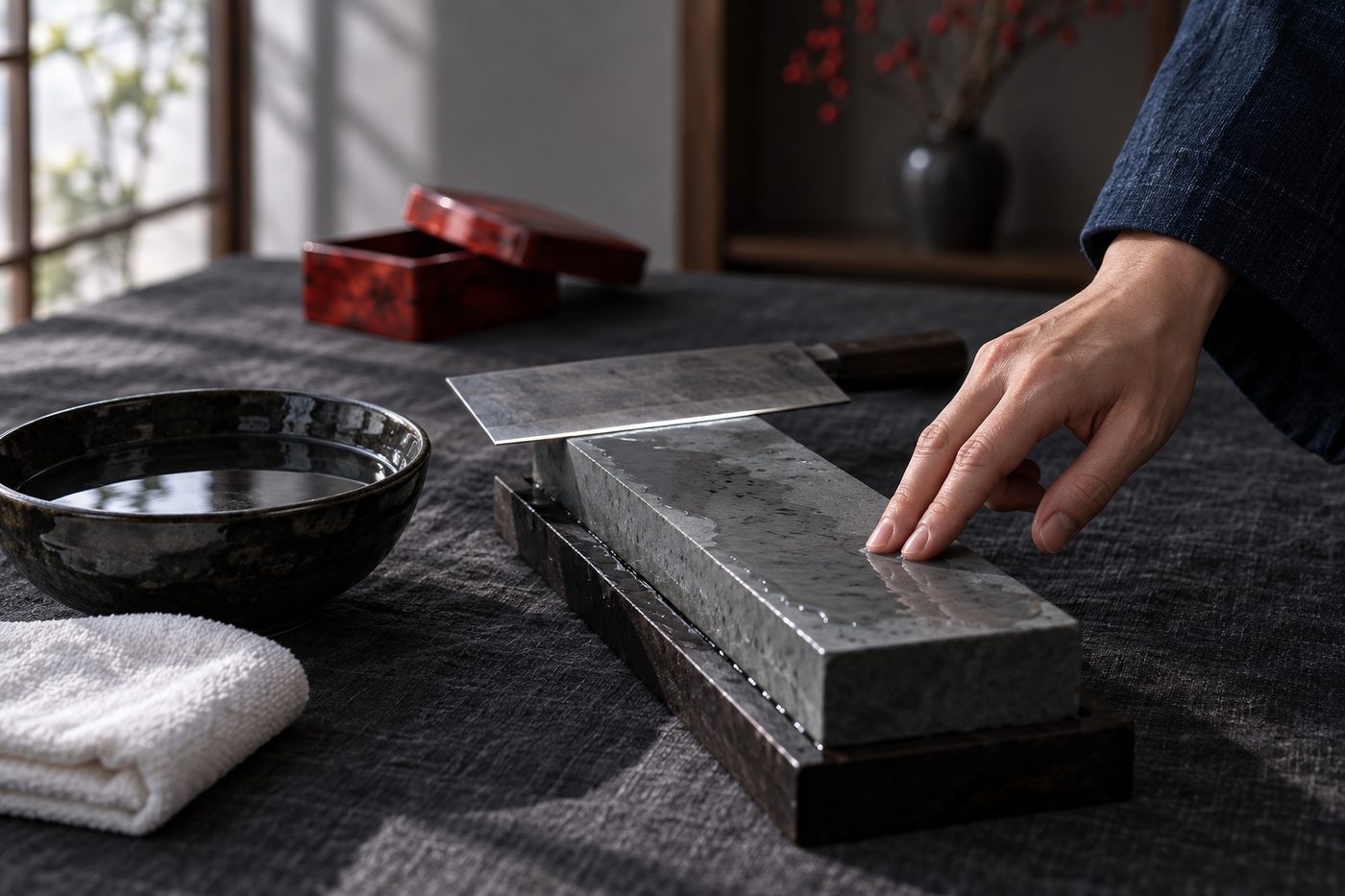
Every pair of years in the sixty-year count shares a poetic third name, the nayin or "received sound," and 1992 shares metal of the sword edge with 1993. The Ming manual that every later almanac copied, the Sanming Tonghui of 1578, gives it the most martial entry of the thirty: the White Emperor holds power, it begins, hardness comes from a hundred firings, a red light shoots up at the Dipper and the Ox, a white blade congeals in frost and snow. This metal, it goes on, cannot be born without water, and it closes the entry with the plainest ranking in the book: the sword edge is the sharpest of all metals, and only water suits it, never fire.
The same book explains why this pair of years got the blade. It reads the twelve branches as a life, and it puts the Monkey's branch, shen, together with the Rooster's, you, at the harvest: the season of gathering in, when things are done growing and a person draws back and comes to rest. Shen and you are also the proper seat of metal in the five-element scheme, and the stems that fall on them in these two years, ren and gui, are both water. Metal in its own seat, quenched in water: the manual says that is the image of a sword edge, the point at which metal's usefulness reaches its peak. It then sets this pair against its opposite, the renyin and guimao years of gold leaf, and calls the difference one of hard and soft, which is a fair summary of a blade and a sheet of foil.
There is a line in the entry that people born in 1992 may enjoy. Metal likes its own kind, the manual says, so a renshen meeting a renshen is good, and if there is wood for the blade to work on, that is twisted roots and knotted joints, the hard timber that shows what a good tool is. The manual is talking about two pillars in one chart. Borrowed for two people born in the same year it makes a nice compliment. Read as a forecast it is nothing of the sort, and the manual's own author says in the same book that these images are figures the sages spoke in, not to be gripped too tightly. The blade, the water, the harvest: that is the year's name, and the name is where a birth chart starts rather than where it ends.